Bangkok River Bus Cultural Guide 2025: Spiritual Journey Through Thai Waterways
The Bangkok river bus represents far more than mere transportation—it embodies centuries of Thai spiritual tradition, cultural heritage, and the sacred relationship between Thailand's people and their waterways. While visitors often focus on the practical aspects of navigating Bangkok's river transport system, understanding its cultural significance transforms a simple commute into a meaningful spiritual journey through the heart of Thai civilization. Every day, as the colorful flags of express boats flutter in the tropical breeze and the rhythmic churn of propellers echoes across the Chao Phraya, you're witnessing a living tradition that connects modern Bangkok to its ancient roots as a water-based kingdom. The Bangkok river bus system doesn't just move people—it carries forward the spiritual essence of a culture that has always viewed rivers as sacred pathways to enlightenment.
🕉️ Cultural Protocol Tip
When boarding Bangkok river buses: Many Thai passengers offer a brief wai (prayer gesture) upon boarding, especially when passing temple areas. This acknowledges the spiritual significance of river travel and shows respect for the sacred journey ahead.
The Sacred Significance of River Travel in Thai Culture
Understanding the Bangkok river bus requires appreciating the profound spiritual role water plays in Thai Buddhism and traditional culture. For over 700 years, the Chao Phraya River has served as Thailand's spiritual highway, connecting communities not just physically but through shared religious practice and cultural identity.
In traditional Thai cosmology, rivers represent the flow of karma and spiritual energy through the physical world. When King Rama I established Bangkok in 1782, he deliberately positioned the capital along the river to harness this spiritual energy for the new kingdom. The waterways became pathways for monks, pilgrims, and seekers traveling between temples, creating a network of spiritual connection that persists today through the modern Bangkok river bus system.
The boats themselves carry symbolic meaning. The traditional long-tail boats that inspired today's river transport were often blessed by monks before their first journey, a practice that continues at some piers where you might observe morning blessing ceremonies. The orange, yellow, and green flags that distinguish different boat services aren't merely practical—they echo the colored robes of Buddhist monks and the symbolic colors of Thai spiritual traditions.
Seasonal Spiritual Significance
The Bangkok river bus system takes on special cultural meaning during Thailand's Buddhist calendar. During Vesak Day (Buddha's birthday), Asalha Puja Day, and the three-month Buddhist Lent period, river travel becomes particularly sacred as devotees journey between temples for special ceremonies and merit-making activities.
📸 Photography & Cultural Respect
Best cultural photography times: Early morning (6:30-8:00 AM) when monks travel to alms rounds, and evening (5:30-7:00 PM) during temple prayer times. Always ask permission before photographing people in traditional dress or religious activities.
Temple Hopping: Spiritual Connections via Bangkok River Bus
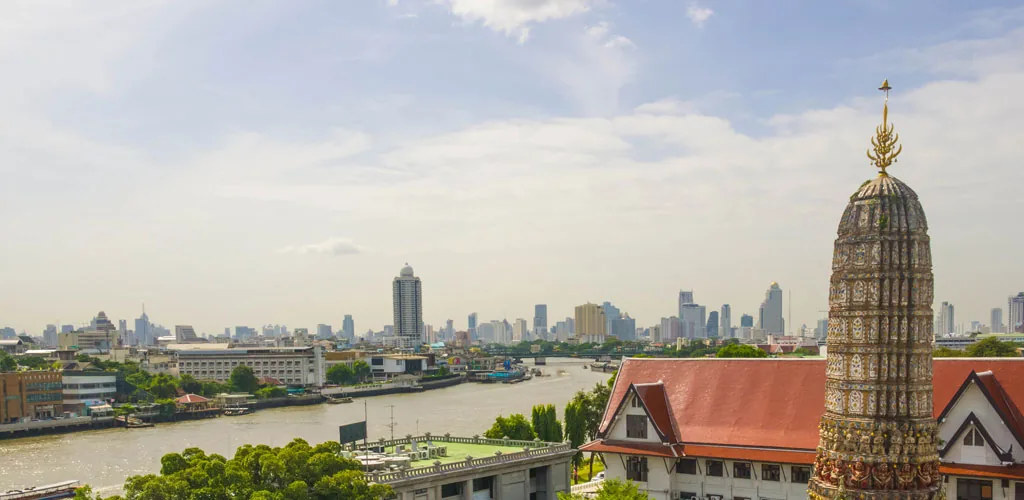
The genius of Bangkok's temple layout becomes apparent when traveling by Bangkok river bus—nearly every major spiritual site sits strategically along the river, creating natural pilgrimage routes that have served Thai Buddhists for centuries. This isn't coincidence but intentional urban planning that recognized the river as a sacred artery connecting the city's spiritual heart.
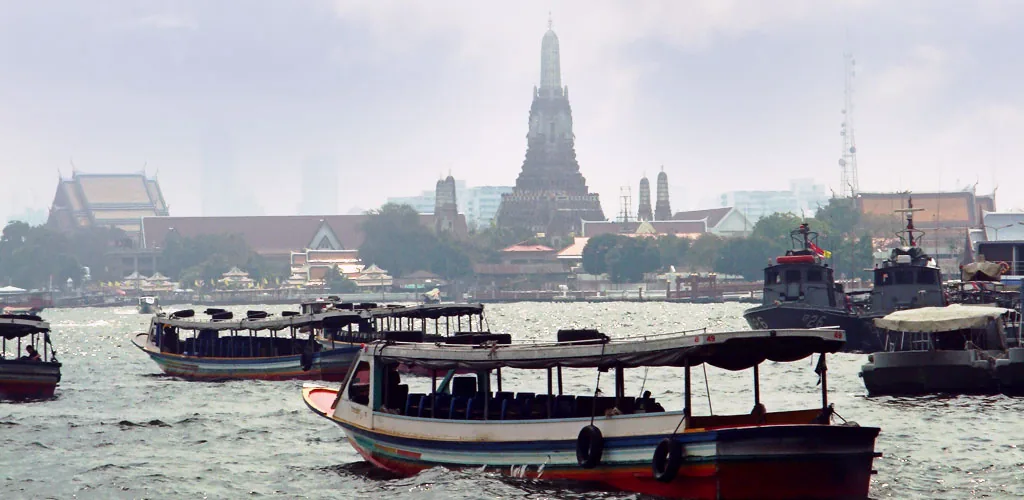
Wat Arun (Temple of Dawn) represents the spiritual starting point for many river journeys. Traditional belief holds that arriving by water—as you do via Bangkok river bus—brings special blessings, as the temple's prang (spire) was designed to be seen rising from the water like a sacred mountain emerging from the cosmic ocean.
From Wat Arun, the Bangkok river bus carries you to Wat Pho, home of the magnificent Reclining Buddha and Thailand's most revered center for traditional massage and healing arts. The short river journey between these temples follows the same route taken by kings and commoners for centuries, creating a sense of spiritual continuity across time.
The Grand Palace and Wat Phra Kaew complex, accessible via Tha Chang pier, represents the pinnacle of Thai spiritual and royal authority. Arriving by Bangkok river bus allows you to approach these sacred spaces as visitors traditionally have—from the water, with the gradually unfolding view creating a sense of approaching the divine realm.
Cultural Protocol for Temple Visits via River Bus
When using the Bangkok river bus for temple visits, observe these important cultural protocols:
- Dress appropriately before boarding: Long pants, covered shoulders, and closed shoes. Many temples provide coverings, but arriving properly dressed shows respect from the moment you begin your journey.
- Maintain quiet conversation: As you approach temple piers, lower your voice and avoid pointing at religious structures. Thai passengers often become noticeably quieter near temple areas.
- Offer your seat: Always give up your seat to monks, elderly Thais, or anyone carrying religious items or offerings.
- Time your visits respectfully: Use morning Bangkok river bus services (7-9 AM) to arrive during peaceful prayer times, avoiding the heat and crowds while experiencing temples in their most spiritually active moments.
🏛️ Local Insight: Hidden Temple Connections
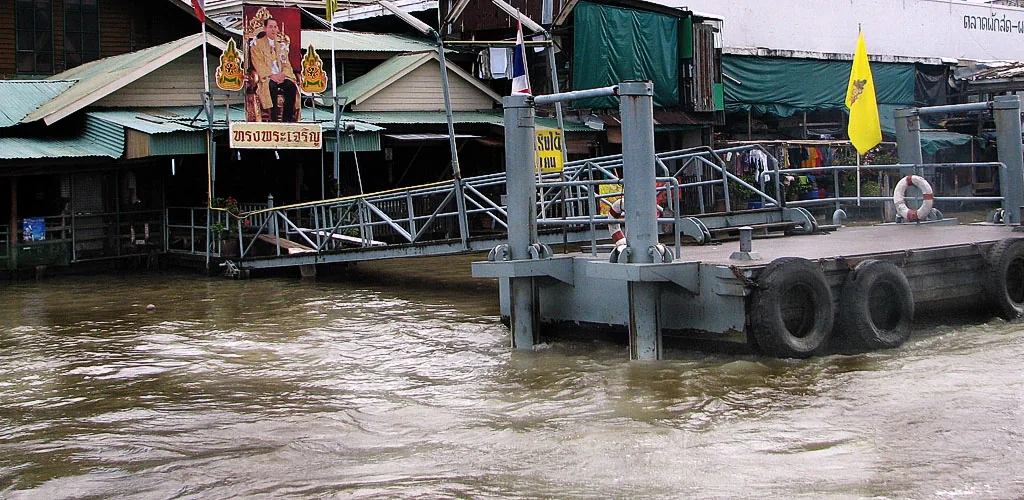
Secret spiritual route: Take the early morning orange-flag Bangkok river bus from Sathorn to Nonthaburi, stopping at lesser-known temple piers like Wang Lang (N10) for Wat Rakang, where you can experience temple life away from tourist crowds while still honoring traditional pilgrimage patterns.
Cultural Rhythms: Understanding Daily Life on Bangkok River Bus
Riding the Bangkok river bus during different times reveals the cultural rhythms that define Thai urban life. Each hour brings different passengers with distinct cultural purposes, creating a living anthropology lesson in modern Thai society.
Dawn Hours (6:00-7:30 AM): The Bangkok river bus carries monks in orange robes returning from alms rounds, office workers beginning their day with brief meditation, and market vendors transporting offerings to riverside shrines. This is when the river transport feels most spiritually charged, with passengers often observing moments of quiet reflection.
Temple Prayer Time (5:30-7:00 PM): Evening Bangkok river bus services transport families to temples for evening prayers and merit-making activities. You'll see passengers carrying lotus flowers, incense, and food offerings—joining this daily spiritual migration provides insight into how modern Thais maintain traditional religious practices despite urban pressures.
Festival Periods: During Buddhist holidays like Songkran, Loy Krathong, and Buddha Day, the Bangkok river bus system becomes a ceremonial fleet. Boats may be decorated with flowers and flags, and special services run to accommodate pilgrims traveling to water blessing ceremonies and temple festivals.
Understanding Thai River Etiquette
Proper behavior on the Bangkok river bus reflects broader Thai cultural values of respect, hierarchy, and communal harmony:
- The Wai Greeting: When Thai passengers board near temple areas, they often perform a brief wai (prayer hands) toward temple directions. This acknowledges the sacred geography through which the Bangkok river bus travels.
- Seat Hierarchy: Seats near the front are typically reserved for monks, elderly passengers, and those carrying religious items. This reflects Thai concepts of spiritual and social respect.
- Conversation Levels: Notice how Thai passengers naturally lower their voices when the Bangkok river bus passes temple complexes, maintaining the spiritual atmosphere even during commuter travel.
- Offering Space: During religious periods, passengers often share boat space with flower garlands, food offerings, and ceremonial items, creating a mobile shrine environment.
Practical Cultural Information for Bangkok River Bus Travel
Maximizing the cultural value of your Bangkok river bus experience requires understanding both practical transportation details and cultural protocols that enhance spiritual significance.
Choosing Culturally Meaningful Routes
Orange Line Bangkok River Bus (15 baht flat fare): Offers the most authentic local experience, following traditional commuter patterns and stopping at community temple piers. This route connects you with daily Thai spiritual life rather than tourist-focused experiences.
Blue Flag Tourist Boat (150 baht day pass): While more expensive, provides English commentary about cultural significance of riverbank temples and historical sites. The slower pace allows deeper appreciation of spiritual architecture and cultural landscapes.
Express Lines (varying fares): Fast but less culturally immersive. Best for connecting major temple complexes when time is limited, though you'll miss the community aspects of slower Bangkok river bus services.
Cultural Preparation Tips
Before boarding any Bangkok river bus, prepare culturally appropriate attire and mindset:
- Clothing: Long pants, covered shoulders, and closed shoes for temple visits. Many Thai passengers dress more formally for river travel than for street transportation, reflecting the journey's spiritual aspects.
- Offerings: Consider purchasing lotus flowers, incense, or small food offerings from riverside vendors. Participating in traditional merit-making activities connects you authentically with Thai spiritual practices.
- Technology: While photography is acceptable, avoid loud phone conversations or music that disrupts the contemplative atmosphere many Thai passengers maintain during river travel.
- Language: Learn basic Thai phrases like "khrap khun" (thank you) and "khor thot" (excuse me) to show respect for local culture during Bangkok river bus interactions.
⏰ Cultural Timing Guide
Most spiritually meaningful Bangkok river bus experiences:
- 6:30-8:00 AM: Monks' alms round returns, temple preparations
- 11:00 AM-12:00 PM: Market vendors with temple offerings
- 5:30-7:00 PM: Evening prayers and family temple visits
- Full moon evenings: Special meditation and ceremony attendance
Modern Cultural Evolution and Bangkok River Bus
Today's Bangkok river bus system represents a fascinating evolution of traditional Thai water culture adapting to contemporary urban needs while maintaining spiritual and cultural significance. This balance between ancient tradition and modern efficiency offers insights into how Thai society preserves cultural identity amid rapid modernization.
Younger Thai passengers often combine traditional spiritual practices with modern convenience, using smartphone apps to track Bangkok river bus schedules while still observing cultural protocols for temple visits and community respect. This technological integration doesn't diminish cultural meaning but expands access to traditional spiritual practices for busy urban lives.
Environmental consciousness increasingly influences Bangkok river bus development, with electric boats and sustainable practices reflecting Buddhist principles of harmony with nature. Participating in this eco-conscious river transport connects visitors with evolving expressions of traditional Thai values in contemporary contexts.
🌅 Planning Your Cultural Journey
For the most meaningful Bangkok river bus cultural experience: Start with a dawn journey (6:30 AM orange line) from Sathorn to Nonthaburi, observing morning spiritual practices. Visit Wat Arun for sunrise prayers, continue to Grand Palace for cultural immersion, then end with evening prayers at Wat Pho—creating a complete spiritual day accessed entirely through culturally significant river transport.
The Bangkok river bus offers far more than transportation—it provides a pathway into the heart of Thai spiritual culture, connecting visitors with centuries of tradition while supporting contemporary community life. By approaching river travel with cultural awareness and respect, every journey becomes an opportunity for meaningful cross-cultural understanding and spiritual enrichment that honors Thailand's profound cultural heritage.