First-Time Bangkok Water Bus User Guide 2025
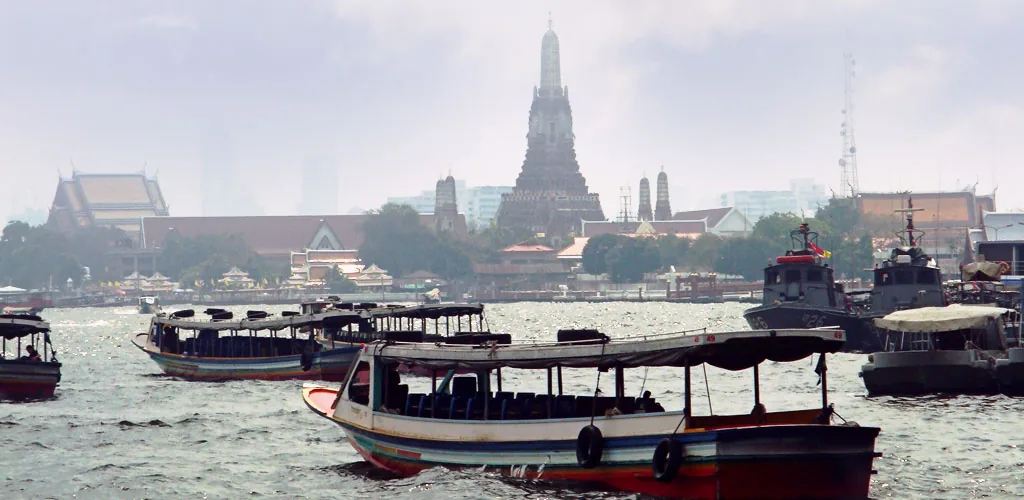
Your heart races as you stand at the pier, watching the chaotic dance of boats with colorful flags flying past. The announcements are in Thai, the crowds are pushing, and you're not sure which boat to take or even how to pay. Sound familiar? Every first-time visitor to Bangkok feels this water bus anxiety—but it doesn't have to stay that way.
💡 Quick Confidence Builder
Start with the Blue Flag tourist boat for your first ride. It costs more (150 THB day pass vs 15 THB local boats) but includes English commentary, guaranteed seats, and patient staff who expect confused tourists. Once you've done this journey, the local boats become much less intimidating.
Understanding the Bangkok Water Bus System
Bangkok's Chao Phraya Express Boat system operates like a highway on water, connecting the city's most important destinations faster than road traffic could ever manage. The boats run roughly every 15-30 minutes depending on the line, from 6:00 AM to 7:00 PM for most services.
Think of the river as a north-south highway. Central Pier (Sathorn) sits in the middle—everything north is marked N1, N2, N3 up to N30, and everything south is S1, S2, S3, S4. The most popular tourist attractions cluster between Central Pier and N13, making this your primary zone of operation.
The Color-Coded Boat System Decoded
Each boat flies a colored flag that tells you its purpose and route. Here's what beginners need to know:
🔵 Blue Flag - Tourist Boats (Your First Choice)
- Cost: 150 THB unlimited day pass or 30 THB single journey
- Best for: First-time users, families with children, anyone carrying luggage
- Perks: English commentary, air conditioning, guaranteed seats, patient staff
- Hours: 9:30 AM - 4:00 PM daily
- Route: Central Pier to N13 (covers all major attractions)
🟠 Orange Flag - Local Express (Best Value)
- Cost: 15 THB flat rate (regardless of distance)
- Best for: Budget travelers, quick trips, experiencing local life
- Reality check: Crowded, fast stops, minimal English
- Hours: 6:00 AM - 7:00 PM daily
- Route: N30 to S3 (most comprehensive coverage)
🟢 Green Flag - Rush Hour Express
- Cost: 13-32 THB (distance-based pricing)
- Best for: Morning/evening commuter hours
- Hours: 6:15-8:10 AM and 3:30-6:05 PM (weekdays only)
- Note: Skip stops for speed—check route carefully
🟡 Yellow Flag - Limited Schedule
- Cost: 20-29 THB (distance-based)
- Hours: 6:15-8:30 AM and 3:30-8:00 PM (weekdays only)
- Best for: Commuters, not ideal for tourists
Step-by-Step: Your First Water Bus Journey
Step 1: Getting to Central Pier (Sathorn)
Start your water bus adventure at Central Pier, officially called Sathorn Pier. Take the BTS Skytrain to Saphan Taksin station (on the Silom Line), then follow the clearly marked signs to "Central Pier" down the walkway. The pier is literally at the foot of the Skytrain station—you can't miss it.
⚠️ First-Timer Alert
Bring small bills and coins. Boat conductors need exact change or close to it. The ATM at Central Pier dispenses 1000 THB notes—break these into smaller denominations at 7-Eleven before boarding.
Step 2: Choosing Your First Boat
For your inaugural journey, ignore the local boats whizzing past and wait for the Blue Flag tourist boat. You'll recognize it by:
- Blue flag flying from the bow
- Slightly larger size than local boats
- English announcements audible from the pier
- Tourists with cameras clearly visible on deck
Purchase your ticket at the Blue Flag counter near the pier entrance. The staff speaks English and can explain the route. A day pass gives you unlimited rides and includes a useful route map.
Step 3: Boarding Like a Pro
Bangkok water buses make brief stops—typically 30-60 seconds. Here's the boarding protocol that locals follow instinctively:
- Wait for passengers to disembark first (this is universal courtesy)
- Board quickly but calmly—don't rush, but don't dawdle
- Move immediately toward the front of the boat to find a seat
- The rear area is for passengers getting off at the next stop
💡 Cultural Insider Tip
On local boats, always offer your seat to monks (especially elderly ones), pregnant women, or elderly passengers. Monks may not be able to sit next to women due to religious protocol—a simple gesture of offering your seat shows respect and will be deeply appreciated.
Step 4: The Payment Process (Local Boats)
If you're brave enough to try the Orange Flag local boats (15 THB flat rate), here's how payment works:
- Sit down first—don't try to pay while standing during boarding chaos
- The conductor will find you—they wear a uniform and carry a metal cash box
- Tell them your destination in English or show them on Google Maps
- Pay the fare and receive your ticket—keep this for the journey
Pro tip: Have Google Maps open with your destination clearly marked. Conductors understand the visual better than pronunciation attempts of Thai place names.
Essential Pier Knowledge for First-Timers
Your Must-Know Piers
Master these five piers and you'll reach 90% of Bangkok's major attractions:
Central Pier (Sathorn) - Your Home Base
- Connects to: BTS Saphan Taksin station
- Perfect for: Starting your river journey, accessing Skytrain network
- Nearby: Robinson Bangrak shopping, riverside hotels
N8 (Tha Tien Pier) - Temple Central
- Access to: Wat Pho (Reclining Buddha), cross-river ferry to Wat Arun
- Walking time: 3 minutes to Wat Pho entrance
- Ferry cost: 4 THB to reach Wat Arun (Temple of the Dawn)
N9 (Tha Chang Pier) - Royal District
- Access to: Grand Palace, Wat Phra Kaew (Emerald Buddha)
- Walking time: 5-7 minutes to palace entrance
- Tip: Very crowded pier—be patient during disembarkation
N13 (Phra Arthit/Banglamphu) - Backpacker Zone
- Access to: Khao San Road, old city exploration
- Walking time: 8-10 minutes to Khao San Road
- Perfect for: Evening food tours, budget accommodation area
ICONSIAM** (Special Stop) - Modern Shopping
- Access to: ICONSIAM luxury shopping center
- Special feature: Free shuttle from Central Pier available
- Perfect for: Air conditioning break, international dining
Common First-Timer Mistakes & How to Avoid Them
Mistake 1: Missing Your Stop
The problem: Enjoying the scenery and suddenly realizing you've passed your destination.
The solution: Use Google Maps to track your journey in real-time. Enable location services and follow the blue dot as it moves along the river. Set a phone alarm for 2-3 minutes before your expected arrival time.
Mistake 2: Standing at the Wrong End
The problem: Standing at the rear of the boat and missing your exit because you can't push through the crowd.
The solution: Always move to the front after boarding. When your stop approaches, calmly work your way to the rear exit area. Stand up and position yourself near the exit 1-2 minutes before arrival.
Mistake 3: Panic About the Language Barrier
The problem: Worrying you can't communicate with conductors or ask for help.
The solution: Download offline maps, screenshot key pier names in Thai and English, and remember that pointing at maps works universally. Thai people are incredibly helpful—a smile and confused expression will usually result in assistance.
⚠️ Safety First
Keep belongings secure: Boats can rock suddenly and stops are brief. Keep your bag zipped and your phone in a secure pocket. If you're taking photos, use a wrist strap for your camera or phone.
Advanced Tips for Confident Navigation
Timing Your Journey
Best times for beginners: 10:00 AM - 2:00 PM and after 6:00 PM. You'll avoid the intense rush hour crowds but still have good boat frequency.
Avoid if possible: 7:00-9:00 AM and 5:00-7:00 PM when local commuters pack the boats to capacity. If you must travel during these times, consider using the BTS Skytrain instead.
Weather Considerations
Bangkok's tropical climate means sudden rain showers. The boats continue operating in light rain, but heavy downpours can cause delays. Keep a small umbrella handy and check weather apps before starting your journey.
During hot season (March-May), morning and evening boat rides are much more comfortable than midday journeys. The river breeze provides natural air conditioning on local boats.
Connecting with Other Transport
The beauty of Bangkok's transport system lies in seamless connections:
- Central Pier: Direct connection to BTS Saphan Taksin (Silom Line)
- Near N8: Walking distance to MRT Sam Yot station
- N3: Short walk to BTS Surasak station
- Use Grab as backup: When boats stop running at 7:00 PM, ride-hailing fills the gap
Budget Breakdown: What You'll Actually Spend
💰 Daily Transport Budget Options
Budget Option (Orange Flag boats):
- 4-5 boat rides per day: 60-75 THB (฿60-75)
- Cross-river ferries: 8-12 THB (฿8-12)
- Total daily cost: 68-87 THB (฿68-87)
Comfort Option (Blue Flag tourist boat):
- Unlimited day pass: 150 THB (฿150)
- Cross-river ferries: 8-12 THB (฿8-12)
- Total daily cost: 158-162 THB (฿158-162)
Mixed Strategy (Recommended):
- Blue Flag for first journey: 30 THB (฿30)
- Orange Flag for remaining trips: 45 THB (฿45)
- Cross-river ferries: 8-12 THB (฿8-12)
- Total daily cost: 83-87 THB (฿83-87)
Emergency Protocols & Backup Plans
What If You Get Lost?
Bangkok's water bus system is essentially a straight line—you can't get truly lost. If you've gone too far north or south, simply take the next boat heading in the opposite direction. All boats display their direction of travel clearly.
Backup plan hierarchy:
- Ask boat staff for help—they're used to confused tourists
- Use Google Maps to identify your current location
- Take Grab to your destination—costs 80-150 THB depending on distance
- Find the nearest BTS or MRT station—usually within walking distance of major piers
Service Disruptions
Boats occasionally stop running due to severe weather or technical issues. When this happens:
- Check the official Chao Phraya Express Boat Facebook page for updates
- Use the BTS/MRT network as an alternative
- Consider this an opportunity to explore the area on foot
Transforming Anxiety into Adventure
Every confident Bangkok water bus user started exactly where you are now—confused and a little intimidated. The difference between anxiety and excitement often comes down to preparation and the right mindset.
Remember that Bangkok's water buses have been safely transporting people for decades. The system works, the boats are reliable, and the staff—while not always English-speaking—are generally helpful and patient with tourists who show respect and genuine effort.
🎯 Your First Journey Action Plan
- Day before: Download offline maps, screenshot pier names, check weather
- Morning of: Get cash, wear comfortable shoes, bring water
- At Central Pier: Buy Blue Flag day pass, ask staff for route map
- First destination: N8 for Wat Pho (easy 15-minute journey)
- Success celebration: You've just conquered Bangkok's water buses!
The moment you step off that boat at your chosen destination, having successfully navigated Bangkok's water transport system, you'll feel a genuine sense of accomplishment. More importantly, you'll have unlocked one of the city's most efficient and scenic ways to explore.
Bangkok's water buses aren't just transportation—they're your gateway to experiencing the city like a local while maintaining the comfort of knowing you can always take the tourist option when needed. Start with confidence, embrace the adventure, and soon you'll be sharing your own water bus wisdom with the next anxious first-timer.
Essential Apps & Resources
📱 Must-Have Apps
- Google Maps: Real-time location tracking, works offline
- Grab: Backup transportation when boats aren't running
- Google Translate: Camera function for reading Thai signs
- Weather app: Check for sudden tropical storms
🌐 Useful Websites
- Chao Phraya Express Boat Official: Current schedules and route maps
- Transit Bangkok: Comprehensive public transport information
- Tourism Authority of Thailand: Official travel advisories and tips
Your Bangkok water bus adventure starts with a single boat ride. Take that first step aboard the Blue Flag tourist boat, and soon you'll be navigating the Chao Phraya like the confident traveler you're meant to be.