Royal Barge Procession: Cultural Events Guide for Thailand's Sacred Water Ceremonies
The Royal Barge Procession represents Thailand's most spectacular ceremonial tradition, combining 700 years of royal heritage with breathtaking displays of Thai artistry and spiritual devotion. This comprehensive guide covers everything you need to know about witnessing this extraordinary cultural event on the sacred waters of the Chao Phraya River.
👑 Quick Event Facts
Frequency: Rare ceremonial occasions (every few years)
Duration: 3-4 hours for complete procession
Participants: 52 royal barges, 2,200+ oarsmen
Route: Wasukri Pier to Wat Arun (1.2km)
Purpose: Buddhist Kathin ceremony and royal devotion
Understanding the Royal Barge Procession
The Royal Barge Procession (กระบวนพยุหยาตราชลมารค) serves as both a royal ceremony and profound religious observance, tracing its origins back over 700 years to the Sukhothai period. This magnificent spectacle demonstrates the deep connection between Thai monarchy, Buddhism, and the life-giving waters of the Chao Phraya River.
Historical Significance
Since the 14th century, Thai kings have participated in royal barge processions to demonstrate their devotion to Buddhism and their role as protectors of the faith. The ceremony evolved through the Ayutthaya Kingdom, survived the turbulent Thonburi period, and continues today under the Chakri Dynasty as one of Thailand's most treasured cultural traditions.
During King Bhumibol Adulyadej's 70-year reign, the procession occurred only 16 times, highlighting its extraordinary rarity and significance. Under King Maha Vajiralongkorn (Rama X), the tradition continues with the same reverence and spectacular pageantry that has captivated observers for centuries.
🏛️ The Kathin Ceremony Connection
The Royal Barge Procession most commonly occurs during the Kathin season (October-November), when new robes are presented to Buddhist monks. This timing coincides with the end of the rainy season and represents one of Buddhism's most significant merit-making opportunities. When the King participates via royal barge, it demonstrates the monarchy's sacred duty to support and protect Buddhism in Thailand.
The Magnificent Royal Fleet
The procession features 52 meticulously crafted vessels, each representing centuries of Thai artistic excellence and spiritual symbolism. These floating masterpieces serve not merely as transportation but as embodiments of Thailand's cultural identity and religious devotion.
The Four Primary Royal Barges
Suphannahong (Golden Swan): The most sacred vessel, carrying His Majesty the King. This magnificent barge, shaped like a mythical golden swan, symbolizes purity, grace, and spiritual transcendence in Thai Buddhist cosmology. Its intricate decorations feature colored glass mosaics and gold leaf applications that shimmer magnificently on the water.
Narai Song Suban: Named after King Narai of Ayutthaya, this barge often carries the Queen or other senior royal family members. Its elaborate decorations depict scenes from Thai literature and religious texts.
Anantanakkharat: The great naga serpent barge, featuring the multi-headed serpent that symbolizes protection and the life-giving power of water in Thai mythology.
Anekkachatphutchong: A multi-tiered vessel traditionally used to carry royal regalia, Buddhist artifacts, and ceremonial offerings during the Kathin ceremony.
🎨 Artistic Masterpieces
Each royal barge represents the pinnacle of Thai decorative arts, featuring:
- Hand-carved teak hulls shaped by master craftsmen
- Intricate gold leaf applications requiring months to complete
- Colored glass mosaics depicting mythological scenes
- Traditional Thai artistic motifs preserved across centuries
- Sacred symbols connecting earthly royalty to divine protection
The Spectacular Procession Experience
When the Royal Barge Procession occurs, it transforms the Chao Phraya River into a flowing tableau of Thai cultural heritage. The sight of 52 magnificent barges gliding silently down the river, powered by over 2,200 expertly trained oarsmen in traditional royal livery, creates one of the world's most impressive displays of coordinated pageantry.
Procession Formation and Route
The ceremonial fleet arranges itself in the traditional "Petch Phuang Major Battle Formation," dating from the time of King Narai. This formation spans 1.2 kilometers in length and 90 meters in width, with the royal barges positioned in the center surrounded by supporting vessels in precise ceremonial order.
Starting Point: Wasukri Royal Landing Place in Khet Dusit
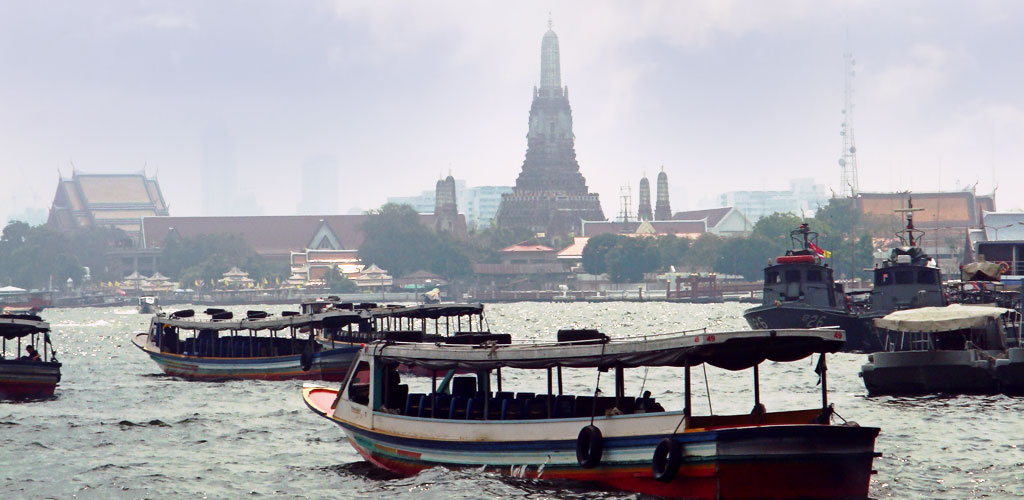
Destination: Wat Arun (Temple of the Dawn)
Duration: Approximately 3-4 hours including ceremonies
Timing: Typically 3:00 PM - 6:00 PM to maximize visual impact
⚡ The Ceremonial Rhythm
The 2,200+ oarsmen row in perfect synchronization, creating a mesmerizing rhythm that echoes across the water. Flag-waving signalmen coordinate the movement while chanters sing traditional Buddhist verses, adding a spiritual soundtrack to this moving meditation on Thai cultural continuity. Each oarsman has undergone months of rigorous training to achieve this precise coordination.
2025 Schedule and Viewing Information
Royal Barge Processions occur only on the most significant royal and religious occasions. While exact dates depend on royal announcements, the ceremony typically takes place during the Kathin season or for major royal anniversaries.
Preparation and Rehearsal Schedule
Leading up to any announced procession, the Royal Thai Navy conducts extensive preparations and public rehearsals that provide excellent viewing opportunities:
Naval Dockyard Viewing: The public can view the royal barges at the Royal Thai Navy's Thonburi Naval Dockyard from 8:30 AM - 4:30 PM daily during preparation periods.
Training Sessions: Rhythmic barge-rowing training for oarsmen typically occurs from 2:00 PM - 3:30 PM on designated dates, providing insight into the precision required for the ceremony.
River Rehearsals: Full rehearsals on the Chao Phraya River from Wasukri Pier to Wat Arun occur weekly during preparation periods, usually from 3:00 PM - 6:00 PM.
📅 Typical Preparation Timeline
When a Royal Barge Procession is announced:
- 3 months prior: Initial barge preparation and oarsmen training begins
- 6-8 weeks prior: Public viewing of barges at naval dockyard
- 1 month prior: Weekly river rehearsals commence
- 2 weeks prior: Full-dress rehearsals with complete ceremony
- Event day: The magnificent procession occurs
Prime Viewing Locations
Securing an excellent viewing position requires advance planning and understanding of the procession route along the Chao Phraya River.
Official Viewing Areas
Rama VIII Bridge Area: Elevated viewing platforms provide panoramic views of the entire formation. This location offers the best perspective for photography and understanding the procession's scale.
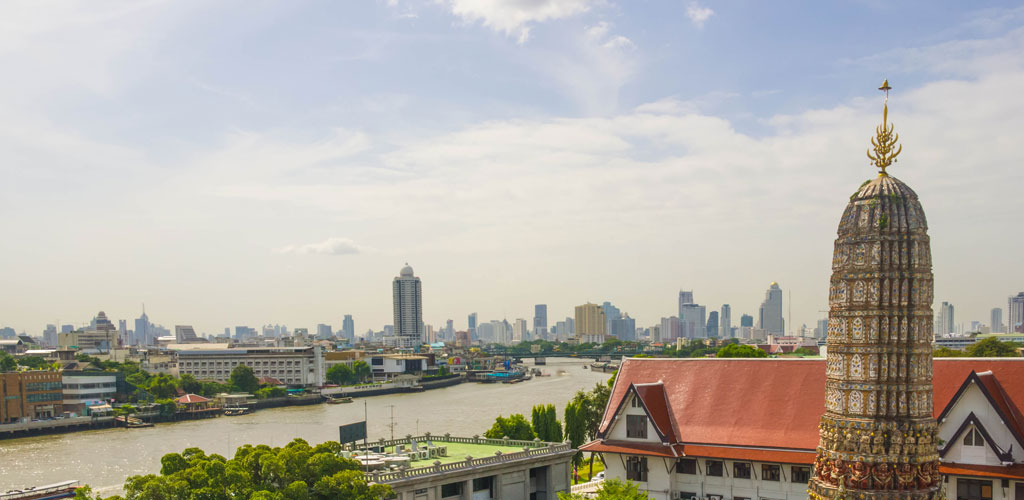
Wat Arun Vicinity: The ceremonial destination provides viewing of the arrival ceremony and royal disembarkation. This area offers the most culturally significant experience but requires very early arrival.
Riverside Hotels and Restaurants: Premium establishments along the route often offer special viewing packages with elevated terraces and refreshments. These require advance reservations and significant investment.
Public Piers and Walkways: Free viewing areas along both sides of the Chao Phraya River, marked by authorities during the event. Arrive 4-6 hours early for optimal positioning.
📷 Photography and Viewing Tips
- Golden Hour Timing: The procession typically occurs during late afternoon golden hour for optimal lighting
- Telephoto Lenses: Essential for capturing detailed shots of barge decorations
- Elevated Positions: Higher viewpoints provide better formation perspectives
- Cultural Sensitivity: Maintain respectful silence during religious portions
- Sun Protection: Bring umbrellas/hats for extended outdoor waiting
Cultural Etiquette and Respect
The Royal Barge Procession combines royal ceremony with religious observance, requiring appropriate behavior and cultural sensitivity from all observers.
Respectful Observation Guidelines
Dress Code: Modest, respectful attire in neutral colors. Avoid bright colors, shorts, sleeveless tops, or casual beachwear. Consider this a formal cultural event requiring appropriate respect.
Behavioral Expectations: Maintain quiet, reverent demeanor during the procession. Avoid loud conversations, music, or disruptive behavior. Stand when the King's barge approaches your viewing area.
Photography Protocols: Photography is generally permitted but avoid flash photography during ceremonies. Respect any restricted areas marked by authorities.
Religious Sensitivity: The Kathin ceremony represents sacred Buddhist traditions. Observe respectfully and avoid interrupting religious activities at Wat Arun.
🙏 Cultural Context
Understanding the profound spiritual significance of the Royal Barge Procession enhances the viewing experience. This ceremony represents:
- The monarchy's role as protector of Buddhism
- Thailand's unbroken chain of cultural traditions
- The sacred relationship between Thai people and their river
- Merit-making that benefits the entire nation spiritually
- Preservation of ancient arts and craftsmanship
The National Museum of Royal Barges
During years without a Royal Barge Procession, visitors can experience these magnificent vessels at the National Museum of Royal Barges, one of Bangkok's most unique cultural attractions.
Museum Experience
Location: Bangkok Noi Canal, near Phra Pin-klao Bridge
Hours: Daily 9:00 AM - 5:00 PM
Admission: 100 THB for international visitors
Duration: Allow 1-2 hours for comprehensive visit
The museum houses the complete collection of royal vessels in climate-controlled pavilions, allowing close examination of the intricate craftsmanship and symbolic details. Interactive displays explain the Buddhist symbolism and royal protocols associated with each barge.
Museum Highlights:
- Suphannahong Golden Swan in all its gilded magnificence
- Detailed views of master woodcarving and gold leaf work
- Historical artifacts including royal regalia and ceremonial items
- Educational displays explaining symbolic meanings
- Traditional Thai architectural setting
Planning Your Royal Barge Experience
Whether attending an actual procession or visiting the museum, proper planning ensures a meaningful cultural experience.
For Procession Viewing
Information Sources: Follow the Royal Barges National Museum and Royal Thai Navy Facebook pages for official announcements and rehearsal schedules.
Transportation: Plan alternative transportation routes as roads near the river close during events. Consider arriving by BTS to nearby stations and walking to viewing areas.
Accommodations: Book riverside hotels well in advance if the procession is announced. These fill rapidly due to limited availability.
Weather Preparation: October-November weather can be unpredictable. Bring sun protection and light rain gear.
💡 Insider Tips
- Rehearsals often provide better viewing conditions than the actual ceremony
- Morning museum visits avoid afternoon heat and crowds
- Combine museum visit with nearby Wat Rakang temple for full cultural experience
- Local tour guides can provide valuable historical context during viewing
- Bring folding chairs for extended waiting periods at public viewing areas
Beyond the Procession: Cultural Connections
The Royal Barge Procession connects to broader aspects of Thai culture, making it an ideal entry point for deeper cultural exploration.
Related Cultural Experiences
Wat Arun Temple Visits: Understanding the procession's destination enhances appreciation of this magnificent temple and its role in Thai royal ceremonies.
Chao Phraya River Heritage: The river itself holds profound significance in Thai history, serving as the transportation lifeline that built Bangkok and sustained the kingdom.
Thai Royal Traditions: The procession exemplifies the monarchy's role in preserving Thai culture and supporting Buddhist institutions throughout the kingdom.
Traditional Craftsmanship: The barges represent the pinnacle of Thai decorative arts, connecting to broader traditions of woodcarving, metalwork, and textile arts.
Conclusion: Witnessing Living Heritage
The Royal Barge Procession offers a rare glimpse into Thailand's living cultural heritage, where ancient traditions continue with undiminished splendor in the modern world. Whether witnessing an actual procession or exploring the museum collection, this experience connects visitors to the profound spiritual and artistic traditions that define Thai culture.
This extraordinary ceremony demonstrates Thailand's commitment to preserving its unique cultural identity while maintaining the sacred relationship between monarchy, Buddhism, and the Thai people. The sight of golden barges gliding down the sacred river, powered by synchronized oarsmen and blessed by centuries of tradition, creates memories that last a lifetime and understanding that enriches all future encounters with Thai culture.
Related Royal and Cultural Guides
- Complete Temple Guide: Wat Arun and Royal Temple Complexes
- Cultural Pronunciation Guide: Respectful Thai Travel
- Chao Phraya Transportation: Daily River Navigation
- Comprehensive River Experience Guide
(content)