Bangkok River Bus Photography Guide: Perfect Timing & Best Shots from Chao Phraya Express
Capture stunning photographs of Bangkok's temples, skyline, and river life from the unique vantage point of the Chao Phraya Express boats. This comprehensive guide reveals the optimal timing, best viewpoints, and professional techniques for creating memorable images during your Bangkok river journey.
📸 Quick Photography Facts
Golden Hour: 6:00-7:30 AM and 5:30-7:00 PM
Best Boat Position: Right side northbound, left side southbound
Essential Equipment: Telephoto lens, polarizing filter, stabilization
Top Subjects: Wat Arun, Grand Palace, modern skyline, river life
Optimal Timing for River Photography
Timing dramatically affects the quality and mood of your Chao Phraya photography. Understanding Bangkok's light patterns, boat schedules, and seasonal variations ensures you capture the river at its most photogenic.
Golden Hour Magic
Morning Golden Hour (6:00-7:30 AM): The Temple of Dawn (Wat Arun) lives up to its name during sunrise, when warm light illuminates its intricate porcelain and seashell mosaics. Morning light also creates stunning reflections on the calm river surface before boat traffic increases.
Evening Golden Hour (5:30-7:00 PM): Late afternoon provides the most dramatic temple silhouettes against vibrant sunset skies. This timing captures Wat Arun's iconic pyramid structure backlit against orange and pink horizons.
Blue Hour (7:00-8:00 PM): As day transitions to night, temple illumination begins while maintaining sky color. This brief window creates magical balanced exposure between artificial lighting and natural twilight.
💡 Professional Timing Tip
Plan your route direction according to light conditions. Travel northbound (toward Nonthaburi) in the morning to keep the sun behind you for front-lit temples. Travel southbound in the evening for dramatic backlit silhouettes and sunset reflections.
Essential Camera Equipment
The moving platform of a river bus presents unique challenges requiring specific equipment choices for sharp, well-composed images.
Recommended Gear
Telephoto Lens (70-200mm or equivalent): Essential for isolating temple details from a distance. The compression effect of telephoto lenses also enhances the dramatic scale of temple architecture against the skyline.
Image Stabilization: Whether in-lens or in-body, stabilization compensates for boat movement and engine vibrations. This allows slower shutter speeds for optimal exposure in lower light.
Polarizing Filter: Reduces glare from water surfaces and enhances sky contrast. Particularly valuable during midday photography when harsh reflections can overwhelm temple details.
Fast Memory Cards: Burst mode capability helps capture the perfect moment as temples and landmarks pass by. River bus photography often requires multiple shots to achieve optimal composition.
📱 Smartphone Photography Tips
- Portrait Mode: Creates pleasing background blur for temple isolation
- HDR Mode: Balances bright sky and shadowed temple details
- Burst Mode: Captures multiple frames to choose the sharpest
- Manual Controls: Use apps like VSCO or Adobe Lightroom for manual exposure
- Stabilization: Hold device with both hands and brace against boat rails
Best Viewpoints and Compositions
Understanding the river's geography and boat positioning maximizes photographic opportunities while minimizing missed shots due to poor positioning.
Temple Photography Strategies
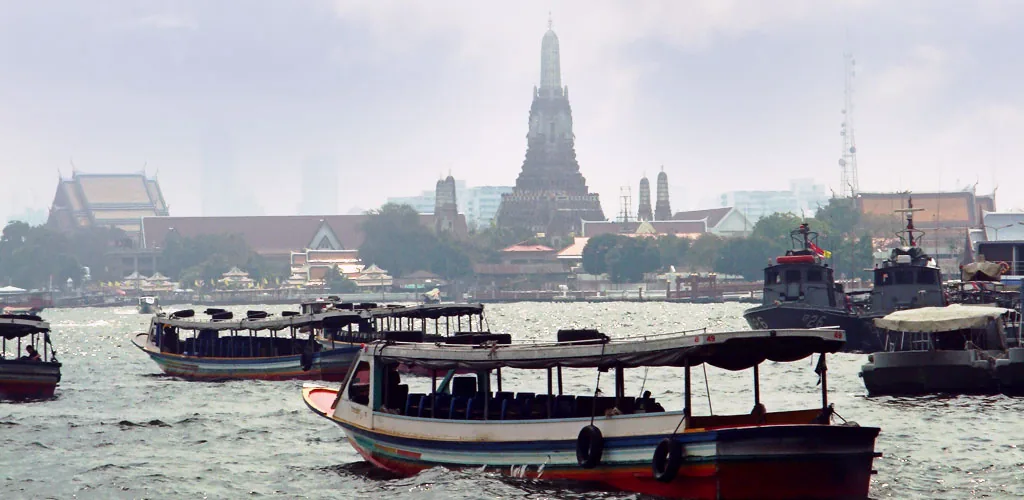
Wat Arun - Temple of Dawn: Position yourself on the boat's east side (left when traveling south) for classic views. The temple appears most dramatically about 200 meters before reaching Wat Arun pier, allowing time for multiple compositions.
Grand Palace Complex: Best photographed from the west side of the river (right when traveling north). The golden spires create stunning compositions against blue sky, particularly during morning hours when shadows define architectural details.
Wat Pho Area: Capture the temple's distinctive orange rooflines from the express boat channel. This perspective shows the temple's relationship to the bustling riverside neighborhood.
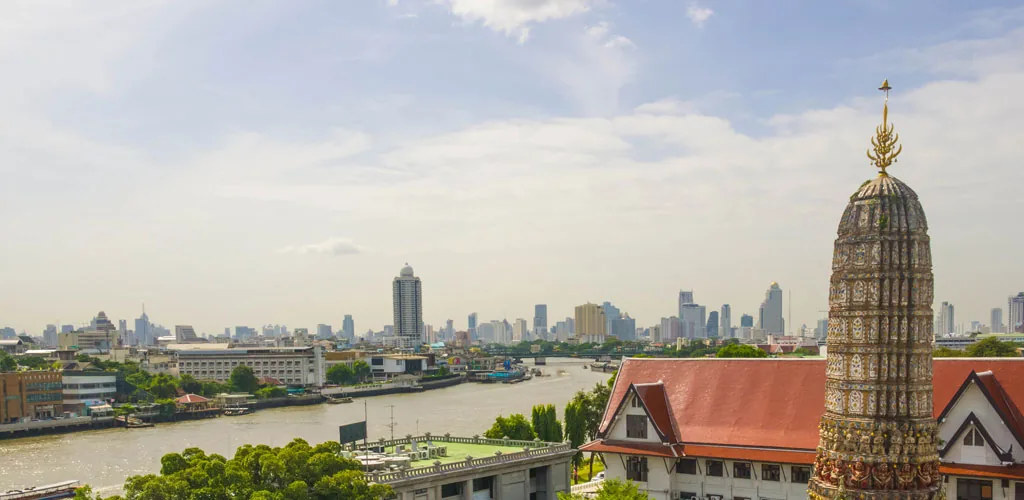
Modern Bangkok Skyline: The contrast between ancient temples and gleaming skyscrapers creates compelling juxtapositions. Frame shots to include both elements for powerful before-and-after style compositions.
🎯 Composition Techniques
- Rule of Thirds: Place temple spires along vertical grid lines
- Leading Lines: Use river banks and boat wakes to guide viewer's eye
- Foreground Elements: Include boat details or other passengers for depth
- Symmetrical Reflections: Capture temple mirrors in calm water
- Silhouette Shots: Backlit temples against colorful sunset skies
Pier-by-Pier Photography Guide
Each major pier along the Chao Phraya offers unique photographic opportunities with specific timing and positioning requirements.
Northern Route Highlights
Saphan Taksin (BTS Connection): Urban photography with skyscraper reflections. Best during blue hour when building lights illuminate the water. Capture the modern city's vertical lines contrasted against the horizontal river flow.
Oriental Pier (Mandarin Oriental Hotel): Historic colonial architecture meets traditional Thai river life. Early morning light illuminates the hotel's cream facades while longtail boats provide authentic river activity.
Memorial Bridge Area: Industrial heritage photography with the steel bridge creating dramatic leading lines. Sunset timing silhouettes the bridge's architectural details against colorful skies.
Central Route Temples
Wat Arun Pier: The money shot location for Thailand's most photographed temple. Arrive 10 minutes before golden hour for optimal positioning. Use telephoto lenses to compress the temple's tiers into a dramatic vertical composition.
Tha Tien Pier (Grand Palace): Capture the golden spires of Wat Phra Kaew rising above the palace walls. Morning side-lighting reveals intricate details while avoiding harsh shadows.
Maharaj Pier: Wide-angle opportunities to capture the entire Grand Palace complex from the river. Include traditional longtail boats in the foreground for cultural context.
📷 Advanced Technique: Panning Shots
Create dynamic motion blur by panning your camera with moving longtail boats while keeping temples sharp in the background. Use 1/15-1/30 second shutter speeds and follow the boat's movement smoothly for professional-looking results.
Seasonal Considerations
Bangkok's tropical climate and seasonal variations significantly impact photographic conditions and opportunities throughout the year.
Dry Season (November-February)
Advantages: Clear skies provide consistent lighting and vibrant blue backgrounds for temple photography. Cooler temperatures mean more comfortable shooting conditions during golden hour periods.
Challenges: Peak tourist season creates crowded boats and busy temple backgrounds. Earlier arrival times help avoid crowds in prime positions.
Best Opportunities: Crystal-clear temple reflections in calm water. Dramatic cloud formations often develop during late afternoon, creating spectacular sunset backdrops.
Rainy Season (June-October)
Advantages: Dramatic storm clouds create moody atmospheric conditions. Rain-washed temples appear more vibrant with enhanced color saturation. Fewer tourists mean better boat positioning opportunities.
Challenges: Unpredictable weather requires flexible scheduling. Equipment protection becomes crucial during sudden downpours.
Best Opportunities: Post-storm golden hour creates incredibly dramatic lighting with clearing clouds and enhanced atmospheric perspective.
🌦️ Weather Strategy
Monsoon Photography: Heavy rain can create compelling artistic effects. Capture rain patterns on the river surface and dramatic storm clouds over temples. Always protect equipment with weather sealing or plastic covers.
Post-Rain Opportunities: The hour after rainfall often provides the most spectacular lighting as sunlight breaks through clearing clouds, creating natural spotlights on temples.
River Life and Cultural Photography
Beyond temples and architecture, the Chao Phraya offers rich opportunities for documenting traditional Thai river culture and daily life.
Authentic River Scenes
Longtail Boat Operators: Capture the weathered faces and skilled hands of boat captains navigating Bangkok's busy waterways. Respect personal space and ask permission for close-up portraits.
Floating Vendors: Document the traditional commerce that still occurs on the water. Fruit vendors, flower sellers, and floating markets provide colorful cultural subjects.
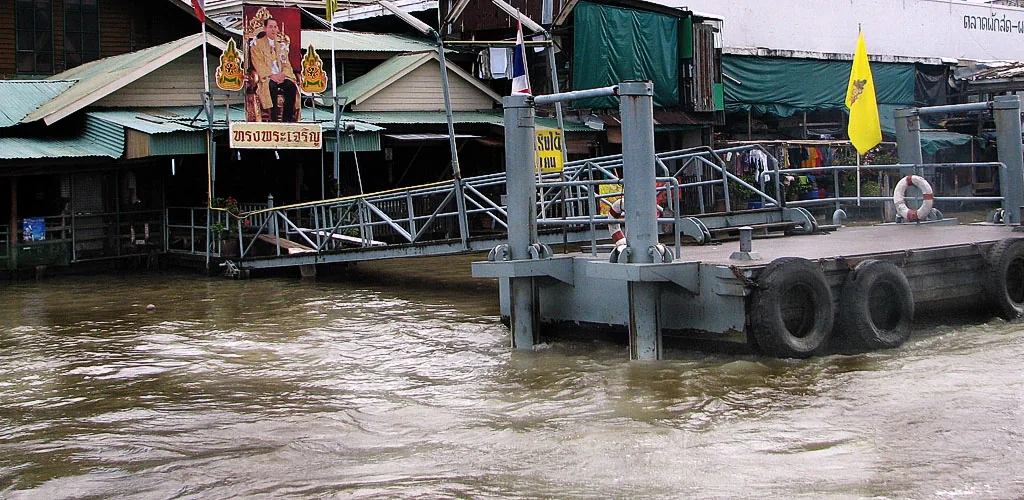
Waterfront Communities: Photograph the stilted houses and canal-side life that represents Bangkok's original water-based culture. These scenes are disappearing as development progresses.
Religious Activities: Respectfully document merit-making activities at riverside temples, including monks receiving alms and devotees releasing fish or birds.
🙏 Cultural Photography Ethics
- Ask Permission: Always request consent before photographing people, especially in religious contexts
- Respect Privacy: Avoid intrusive photography of private moments or personal property
- Temple Etiquette: Some temple areas prohibit photography - observe all posted restrictions
- Cultural Sensitivity: Dress modestly and behave respectfully when photographing religious sites
- Fair Compensation: Consider purchasing items from vendors you photograph or making temple donations
Technical Camera Settings
Optimize your camera settings for the unique conditions of river photography, balancing the need for sharp images with creative exposure choices.
Recommended Settings
Aperture Priority Mode: Use f/8-f/11 for optimal lens sharpness while maintaining sufficient depth of field for temple architecture. Open to f/5.6 in lower light conditions.
ISO Strategy: Keep ISO as low as possible (100-400) during good light. Modern cameras handle ISO 800-1600 well for blue hour photography while maintaining acceptable noise levels.
Shutter Priority for Action: Use 1/250 second minimum for sharp temple details from moving boats. Increase to 1/500 second when photographing fast-moving longtail boats or river activity.
Focus Settings: Single-point autofocus for precise temple details. Continuous autofocus (AI Servo/AF-C) for tracking moving boats or wildlife.
⚙️ Professional Settings Quick Reference
Golden Hour Temples: Aperture Priority, f/8, ISO 100-200, Matrix/Evaluative metering
Blue Hour Temples: Manual mode, f/5.6, ISO 400-800, spot metering on temples
Action Shots: Shutter Priority, 1/500 sec, ISO Auto (max 1600), continuous autofocus
Silhouettes: Manual mode, underexpose by 1-2 stops, meter on bright sky areas
Post-Processing Tips
Enhance your Chao Phraya photography with targeted post-processing techniques that bring out the best in temple architecture and river scenes.
Essential Adjustments
Highlight Recovery: Bangkok's bright skies often require highlight recovery to maintain detail in temple spires and cloud formations.
Shadow Lifting: Gently lift shadows to reveal temple details without creating unrealistic appearances. Maintain natural contrast ratios.
Vibrance vs. Saturation: Use vibrance for natural color enhancement that protects skin tones in cultural photography. Reserve saturation for dramatic sunset enhancement.
Clarity and Structure: Enhance temple architectural details with subtle clarity adjustments. Avoid over-processing that creates unnatural haloing effects.
Conclusion: Mastering River Photography
The Chao Phraya Express provides an extraordinary moving platform for capturing Bangkok's architectural treasures, cultural heritage, and vibrant river life. Success requires understanding the interplay between timing, positioning, technical skills, and cultural sensitivity.
Remember that great river photography combines technical proficiency with genuine appreciation for Thai culture and respect for the people who call the Chao Phraya home. The most memorable images capture not just beautiful temples and dramatic lighting, but the living culture that gives these places meaning.